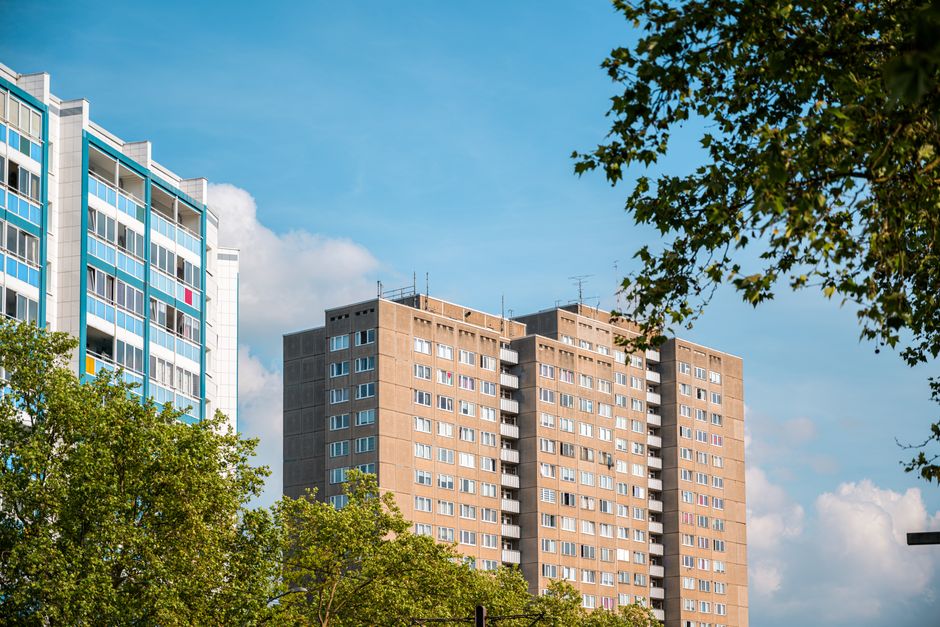
End of tenancy cleaning tips for Alton Estate flats Roehampton
If you are moving out of an Alton Estate flat in Roehampton, end of tenancy cleaning can feel like one more job on a very long list. Boxes everywhere, a final meter reading to think about, keys to hand back, and somehow the oven still looks like it has seen things. The good news? A calm, methodical clean makes a huge difference. These end of tenancy cleaning tips for Alton Estate flats Roehampton will help you leave the property looking cared for, reduce handover stress, and give you a far better chance of meeting the standard expected at check-out.
Whether you are tackling the flat yourself or booking help, the aim is the same: make every room presentable, remove the obvious dirt, and deal with the places that landlords and letting agents notice first. Let's be honest, they usually notice the obvious stuff before anything else. So that is where we start.
Table of Contents
- Why this matters in Alton Estate flats
- How end of tenancy cleaning works
- Key benefits and practical advantages
- Who this is for and when it makes sense
- Step-by-step guidance
- Expert tips for better results
- Common mistakes to avoid
- Tools, resources and recommendations
- Law, compliance and best practice
- Options and comparison table
- Case study example
- Practical checklist
- Conclusion
- Frequently asked questions
Why End of tenancy cleaning tips for Alton Estate flats Roehampton Matters
End of tenancy cleaning matters because the last impression of your flat is often the one people remember. In a busy London rental market, a decent handover is not just about being tidy; it is about showing that the property has been looked after. For Alton Estate flats in particular, where layouts can vary and storage is often tight, cleaning well means being organised as much as being thorough.
Most deposit disputes do not begin with something dramatic. They start with a few overlooked details: grease inside an oven door, dust on skirting boards, a bathroom extractor full of fluff, marks around light switches, or carpet edges that still have crumbs and grit. None of these are glamorous problems, but they are the ones that can slow down a handover.
There is also a practical side. If the flat has shared access points, lift corridors, or communal entry areas, you do not want your move-out to spill into those spaces in a messy way. A careful clean helps you leave the flat in a state that fits the building and keeps the process smoother for everyone involved.
Expert summary: The best move-out cleans are not about making everything perfect. They are about making the property consistently clean, inside and out, with the areas that matter most handled first.
How End of tenancy cleaning tips for Alton Estate flats Roehampton Works
Think of end of tenancy cleaning as a deep reset rather than a regular tidy-up. You are not just wiping visible surfaces. You are dealing with the build-up that accumulates over months of daily living: limescale, grease, dust, hair, scuffs, marks, and the odd mystery stain that appeared sometime around winter and never left.
In practice, the process usually works best in a room-by-room order. Start high and finish low, so dust falls onto areas you have not cleaned yet. Begin with dry tasks such as removing cobwebs, dusting ledges, and wiping tops of cupboards, then move into wet cleaning for sinks, hobs, tiles, and bathroom fittings. Finish with floors so you are not walking dirt back across freshly cleaned areas.
If you are using a professional end of tenancy cleaning service, the job should still follow this logic. A good service will normally focus on the areas most commonly checked at inspection: kitchen appliances, bathrooms, windows, floors, internal glass, visible fixtures, and the places people forget until the last minute.
For a flat in Roehampton, timing matters too. If you clean too early, daily use after the clean will bring the mess back. If you leave it until moving day, you may be cleaning around luggage, furniture, and tired family members. Truth be told, that is how people end up wiping a worktop at 11:30pm with a sock on one hand. Not ideal.
Key Benefits and Practical Advantages
A proper end of tenancy clean does more than make the flat look nice. It reduces stress, protects your deposit position, and gives you a better chance of a smooth checkout. It also makes the place easier for the next occupier or owner to move into, which is simply good practice.
- Cleaner inspection outcomes: A tidy, well-finished flat is easier to sign off quickly.
- Less deposit friction: Thorough cleaning lowers the chance of avoidable cleaning deductions.
- Better first impressions: Clean ovens, sinks, taps, and floors stand out in a good way.
- Less last-minute panic: A plan stops everything from becoming a chaotic rush.
- More efficient move-out: If you clean in stages, you can still manage packing and transport.
There is a quieter benefit too: peace of mind. When the flat is spotless enough for handover, you leave with fewer mental loose ends. That matters more than people expect. Moving is noisy, tiring, and full of tiny decisions. Cleaning the flat properly removes one of the biggest sources of nagging doubt.
Who This Is For and When It Makes Sense
These tips are useful for tenants leaving a rented flat, but they are also relevant to flatmates, landlords preparing for re-let, and anyone doing a move-out clean after a short-term stay. If you have lived in the property for a while, it makes sense to treat the final clean as a proper project rather than a casual wipe-down.
You will benefit most if any of the following apply:
- You are moving out of an Alton Estate flat and want the handover to go smoothly.
- You need to clean around furniture, boxes, or a tight moving timetable.
- The flat has a kitchen that has seen regular cooking, especially frying, roasting, or baking.
- The bathroom has limescale, soap residue, or ventilation dust.
- You want to compare doing it yourself versus booking move out cleaning.
If the property has been empty for a while, if there are carpets that need more than vacuuming, or if the oven has been neglected, a deeper approach makes sense. Sometimes a basic DIY clean is enough. Sometimes it is not. That judgment call saves time and frankly, a bit of sanity.
Step-by-Step Guidance
Here is a practical sequence that works well for most flats. If you follow it room by room, the job feels much less overwhelming.
- Declutter first. Remove all personal items, bin bags, food, toiletries, and forgotten bits from drawers and shelves.
- Open windows where possible. A bit of airflow helps with cleaning smells and makes the flat feel less stuffy while you work.
- Dust from top to bottom. Start with light fittings, curtain rails, tops of cupboards, and shelves. Then move to mid-level surfaces.
- Clean the kitchen thoroughly. Tackle cupboard fronts, sink, taps, splashback, hob, extractor, fridge, and oven.
- Sort the bathroom next. Remove soap scum, clean around taps and drains, wipe tiles, and deal with mirror streaks.
- Handle living areas and bedrooms. Vacuum edges, skirting boards, shelves, wardrobes, and behind furniture if it is still accessible.
- Finish floors and glass. Mop hard floors, vacuum carpets carefully, and clean internal windows and any accessible glass panels.
- Do a final walkthrough. Stand at the doorway of each room and look for what your eye catches first. That is usually what the inspector sees too.
A small but useful tip: take photos after each room is finished. Not because you expect a fight, but because evidence is handy. One quick picture of the sink, oven, and bathroom can settle nerves later.
Kitchen: the room that usually decides the mood
The kitchen is where most end of tenancy problems begin. Grease collects on cupboard handles. Food splatter hides behind the hob. The inside of the microwave, fridge seals, and oven door frame often need more than a quick wipe.
Focus on:
- cupboard fronts and top edges
- worktops and splashbacks
- sink, taps, and drain area
- hob rings, extractor filters, and behind appliances
- fridge shelves, freezer drawers, and seals
- oven trays, glass, and door edges
If the oven is heavily soiled, a specialist oven cleaning service can save time and give a much better finish than trying to scrape it all out by hand after a long day of packing.
Bathroom: clean, dry, and not a bit grim
Bathrooms in rental flats tend to show wear quickly because they are used every day and moisture builds up fast. If you only have ten minutes, spend them here. Limescale around taps, a dusty fan cover, and grubby grout all stand out.
Work through the toilet, basin, bath or shower, screen, mirror, tiles, and floor. Don't forget the little things: soap dispensers, toilet roll holder, and the bottom edge of the door where hair and dust collect. Slightly annoying, yes. Necessary, also yes.
Bedrooms and living room: make them feel genuinely empty
Once the big furniture is gone, any dust you missed becomes very visible. Corners, sockets, skirting boards, wardrobe shelves, and window sills suddenly look louder than they did during normal use. Vacuum carefully around edges and under radiators if accessible.
If the flat has fabric furniture, consider whether a specialist sofa cleaning or upholstery cleaning service would help remove marks or odours before check-out. That can be especially useful where a landlord expects visible freshness, not just surface tidiness.
Expert Tips for Better Results
Small decisions often make the biggest difference. A few experienced habits can turn an average clean into a very solid one.
- Use the right cloth for the job. Microfibre is great for dust and shine; a rough sponge is better for stubborn kitchen residue. Mixing them up can smear dirt around.
- Let products sit briefly. A cleaner needs a minute or two to work on grease or limescale. Wiping too early is just extra effort for worse results.
- Check hidden touch points. Handles, switches, banisters, and inside door frames often hold more dirt than the obvious surfaces.
- Vacuum slowly along edges. Fast passes miss crumbs and fluff, especially along skirting and carpet borders.
- Clean natural light areas last. Windows and mirrors show streaks more clearly in daylight, so finish them near the end.
- Leave time for a second look. A room can look fine for the first thirty seconds, then a smudge appears when the light changes. It happens all the time.
If you are short on time, prioritise the visual and sanitary zones first: kitchen, bathroom, floors, and internal glass. A polished living room is nice, but a clean sink and oven usually matter more at checkout. Harsh, maybe, but that is the reality of it.
When the job is too big to do properly in one evening, split it into two sessions. Rushing almost always leads to missed details, and missed details have a funny way of becoming expensive details.
Common Mistakes to Avoid
Some move-out cleans go wrong for very ordinary reasons. The issues below come up again and again, especially when people are tired or cleaning in a hurry.
- Leaving the oven until the end. That usually means it does not get finished properly.
- Cleaning around furniture instead of moving it. If items are still in the flat, dust collects underneath and behind them.
- Using too much water on floors or woodwork. Excess moisture can leave streaks or damage finishes.
- Forgetting high-touch areas. Light switches, handles, remotes, and door frames often get overlooked.
- Only cleaning what is visible at eye level. Cupboard tops, extractor fans, and skirting boards matter more than people think.
- Assuming a quick vacuum is enough for carpets. If the pile is flattened or stained, you may need more than basic cleaning.
One more thing: do not leave bin emptying until the final five minutes. The smell can linger, and nobody enjoys carrying out the last box while a half-full bin is quietly winning the room.
Tools, Resources and Recommendations
You do not need a mountain of equipment, but the right basics make the job easier and safer. Here is a sensible kit for most flats.
| Tool or product | Best use | Why it helps |
|---|---|---|
| Microfibre cloths | Dusting, polishing, wiping surfaces | They trap dust well and leave fewer streaks |
| All-purpose cleaner | General surfaces in kitchen and living spaces | Good for the bulk of everyday grime |
| Degreaser | Hobs, splashbacks, cupboard fronts | Useful for sticky kitchen build-up |
| Limescale remover | Taps, shower glass, sinks | Helps lift mineral marks in bathrooms |
| Vacuum with attachments | Edges, corners, upholstery, carpets | Reach is often more useful than power alone |
| Mop and bucket | Hard floors | Keeps floors looking even and fresh |
For recurring cleaning needs after you move, some people switch to regular cleaning or arrange a one-off reset with one-off cleaning. If the property needs a broader reset beyond tenancy tasks, a deep cleaning approach can be a better fit.
And if you are trying to compare professional help, it is sensible to review pricing and quotes carefully. A low price looks nice until you realise what is excluded. Then it gets less charming, fast.
Law, Compliance, Standards, or Best Practice
End of tenancy cleaning is not usually about a single dramatic rule. It is mostly about meeting the reasonable condition expected under your tenancy agreement and leaving the flat in a clean state consistent with everyday occupancy. In the UK, the exact expectations often depend on the contract, the property condition when you moved in, and whether an inventory or check-in report was completed.
Good practice usually means:
- removing all personal belongings and rubbish
- returning the property clean enough for a new occupier to move in
- matching the standard documented at the start of the tenancy where relevant
- avoiding damage through harsh chemicals or incorrect equipment
It is also wise to be careful in communal areas. Lift lobbies, corridors, and shared entrances should be kept clear during the move. If there is any cleaning outside your own flat, make sure it does not interfere with neighbours or building access. A sensible, respectful approach goes a long way.
For anyone booking professional help, checking insurance and safety is sensible. You are not just buying elbow grease; you are buying trust, accountability, and a cleaner process if something unexpected happens. That matters more than people think.
It can also help to review terms and conditions before booking, especially if you want to understand timing, scope, and what happens if access is delayed or the property is not ready. Small print is not exciting. Still useful though.
Options, Methods, or Comparison Table
There are usually three ways to handle an end of tenancy clean: do it yourself, use a mixed approach, or book a full professional clean. The right choice depends on time, condition, and how confident you are that you can reach the required standard.
| Option | Best for | Pros | Trade-offs |
|---|---|---|---|
| DIY clean | Small flats, light wear, plenty of time | Lowest direct cost, full control | Time-consuming, easy to miss details |
| Mixed approach | Busy movers who can handle some tasks | Balances cost and effort | Requires good planning and coordination |
| Professional clean | Heavier wear, tight deadlines, deposit-sensitive handovers | More thorough, less stress, often more consistent | Higher upfront cost |
To be fair, the best option is the one that lets you hand the keys back without second-guessing yourself. If you are already juggling removals, school runs, work, and paperwork, then outsourcing part of the job can be the smartest move, not the lazy one.
Case Study or Real-World Example
A typical move-out in an Alton Estate flat might look like this: the tenant has packed most belongings, but there are still a few boxes left, dust on the top shelf of a wardrobe, and a kitchen with baked-on splash marks near the hob. The bathroom is broadly clean, but the shower screen has limescale and the extractor cover is grey with dust.
In that situation, a sensible approach would be to clear the flat fully first, then focus on the rooms in this order: kitchen, bathroom, living room, bedroom, hallway. The kitchen gets the most time because that is where residue stands out. The bathroom follows because moisture and limescale are hard to hide. Floors are left for last so they stay clean after the rest of the work.
One small real-life observation: once the furniture is gone, the light changes the whole feel of the room. Marks that were invisible for months suddenly show up at 4pm when the afternoon sun cuts across the skirting board. It's annoying, yes, but useful. If you can spot those marks before handover, you can deal with them properly instead of hoping nobody notices.
That kind of steady, practical clean usually ends much better than a frantic all-nighter. It is calmer, more effective, and less likely to leave you muttering at a stubborn patch of grease near midnight.
Practical Checklist
Use this checklist as a final run-through before inspection or key handover.
- All belongings removed from cupboards, shelves, and drawers
- Waste and recycling cleared from the flat
- Kitchen cupboards wiped inside and out
- Hob, extractor, sink, taps, and splashback cleaned
- Oven cleaned or professionally treated if heavily soiled
- Fridge and freezer emptied, defrosted if needed, and wiped down
- Bathroom cleaned, descaled, and dried
- Mirrors, internal glass, and windows cleaned where accessible
- Skirting boards, switches, handles, and door frames wiped
- Carpets vacuumed thoroughly, including edges and under movable furniture
- Hard floors swept and mopped
- Light fittings, shelves, and high ledges dusted
- Final room-by-room walk-through completed
- Photos taken after cleaning, if useful for your records
If you find yourself ticking every box except the oven, carpets, or upholstery, that is often the point where outside help makes sense. You do not need to do everything alone.
Get a free quote today and see how much you can save.
Conclusion
End of tenancy cleaning in Alton Estate flats Roehampton does not have to be overwhelming. With the right order, a realistic checklist, and a bit of attention to the spots people usually miss, you can leave the flat in a strong condition and reduce the stress of moving day.
Keep the focus on the rooms that matter most, deal with hidden dirt before it becomes visible, and be honest about what you can finish well on your own. Sometimes DIY is enough. Sometimes professional support is the smarter choice. Either way, the goal is the same: a clean handover and a clear head as you move on.
And if the flat ends up looking better than it has in months, well, that is a lovely little bonus, isn't it?
Frequently Asked Questions
What is the best way to clean an Alton Estate flat before moving out?
Start by clearing every room completely, then clean from top to bottom and finish with the floors. Focus on the kitchen and bathroom first, because those areas usually matter most during checkout.
Do I need professional end of tenancy cleaning for a Roehampton flat?
Not always. If the flat is lightly worn and you have time, a careful DIY clean may be enough. If the property is heavily used, if the deadline is tight, or if you want a more predictable result, professional help can be a sensible choice.
Which room causes the most trouble at the end of a tenancy?
The kitchen usually causes the most trouble, especially the oven, hob, sink, and cupboard fronts. Bathrooms come close behind because limescale and soap residue are very visible.
How clean should the flat be for a tenancy handover?
It should be left clean, empty, and in a condition that matches the tenancy agreement and inventory expectations. In practice, that means removing all rubbish, wiping surfaces, cleaning appliances, and dealing with visible dirt and marks.
What should I do if the oven is too dirty to clean properly myself?
If the oven has heavy grease or baked-on residue, consider a specialist oven cleaning service. It is often faster and more effective than trying to finish it after a long move.
Are carpets important during end of tenancy cleaning?
Yes, especially if they show marks, odours, or flattened pile. A thorough vacuum is the minimum, but some carpets benefit from specialist treatment through carpet cleaning.
How far in advance should I clean before moving out?
Ideally, do the main clean after most belongings have left but before the final handover. Cleaning too early usually means you will create more dirt afterwards, which is a bit of a waste of effort.
What are the most common mistakes tenants make?
Common mistakes include forgetting inside cupboards, skipping the oven, ignoring skirting boards, cleaning floors before the rest of the flat, and leaving rubbish behind. Small things, but they add up quickly.
Can upholstery and soft furnishings affect the final inspection?
Yes, if sofas, chairs, or cushions are left stained or dusty. If they are part of the property, services such as upholstery cleaning or sofa cleaning can improve the overall finish.
Is it worth booking one-off cleaning instead of doing everything myself?
It can be, especially if you are short on time or the property needs a deeper reset. A one-off cleaning visit can take pressure off you while still leaving the flat looking properly cared for.
What should I look for in a cleaning provider?
Look for clear scope, transparent booking terms, sensible safety standards, and strong communication. It is also wise to check about us and the company's health and safety policy so you know who you are dealing with.
Can I book cleaning help for a move-out if I am already living in the flat?
Yes. In fact, that is a common use case. Many people arrange move out cleaning while they are still packing, which makes the handover feel much more manageable.
How do I avoid problems with deposits after cleaning?
Follow the tenancy agreement, clean thoroughly, take photos, and make sure the flat is empty and ready to inspect. If anything is unclear, keep records and read the booking or tenancy terms carefully. That simple bit of preparation helps more than people expect.