Office Cleaning in Modern Workspaces: Creating Healthier, More Productive Environments
Office cleaning plays a bigger role in business success than many people realize. A clean workplace is not only about appearances; it affects employee well-being, productivity, brand perception, and even long-term costs. Whether you manage a small shared office, a growing corporate floor, or a busy commercial building, office cleaning helps create an environment where people can focus, feel comfortable, and work efficiently.
Today’s offices are used in very different ways than they were a decade ago. Teams share desks, remote staff rotate in and out, and clients often visit spaces that need to look polished at all times. Because of that, office cleaning must be consistent, strategic, and tailored to the way the space is actually used. It is no longer enough to vacuum once in a while or wipe a few surfaces at the end of the week.
A strong cleaning routine can reduce germs, extend the life of furniture and flooring, and support a professional image that reassures employees and visitors alike. Office cleaning services can also be customized to fit different industries, schedules, and budgets, making them a practical solution for businesses of all sizes.
Why Office Cleaning Matters for Every Business

Clean offices influence how a company is perceived from the moment someone walks through the door. Dust on desks, dirty floors, and neglected restrooms can send the wrong message quickly. On the other hand, a fresh and organized workplace suggests professionalism, attention to detail, and care for the people who use it every day.
Office cleaning also affects health. Shared environments can allow dust, allergens, and bacteria to spread easily. Regular sanitizing of high-touch areas such as door handles, elevator buttons, light switches, and shared equipment helps reduce the risk of illness and absenteeism. This is especially important in busy offices where many people interact with the same surfaces.
There is also a psychological benefit. Employees often work better in spaces that feel clean, uncluttered, and maintained. A tidy office can reduce stress, improve concentration, and make daily tasks feel more manageable. In simple terms, clean offices support better work.
How Cleanliness Shapes Workplace Culture
When businesses invest in office cleaning, they send a message that employee comfort matters. This can improve morale and create a stronger sense of respect for shared spaces. Workers are more likely to keep areas tidy when they see a consistent cleaning standard being maintained.
- Supports a more professional atmosphere
- Helps reduce workplace complaints
- Encourages employees to care for shared spaces
- Leaves a positive impression on visitors and clients
Core Elements of Effective Office Cleaning

High-quality office cleaning goes beyond the visible surfaces. It involves a structured process that covers both common areas and hidden spots where dirt tends to build up. A thoughtful cleaning plan ensures that nothing important is missed and that the office remains consistently presentable.
Some tasks need to be performed daily, while others can be scheduled weekly or monthly depending on traffic and usage. For example, restrooms and break rooms usually require more frequent attention than storage rooms or conference spaces. A tailored approach keeps the workplace clean without wasting time or resources.
The best commercial office cleaning plans usually include dusting, vacuuming, disinfecting, waste removal, and floor care. These tasks may seem basic, but when they are performed regularly and correctly, they create a noticeable difference in the office environment.
Daily Cleaning Tasks That Make the Biggest Impact
Daily routines form the backbone of office cleaning. They keep the space looking fresh and prevent buildup that becomes harder to manage later. A good daily checklist often includes:
- Emptying bins and replacing liners
- Wiping desks and shared surfaces
- Cleaning restroom fixtures and replenishing supplies
- Vacuuming high-traffic areas
- Disinfecting touchpoints such as handles and switches
These tasks may be simple, but they are essential. In offices with frequent visitors or large teams, daily office cleaning helps preserve a polished and organized appearance throughout the week.
Office Cleaning Areas That Need Special Attention
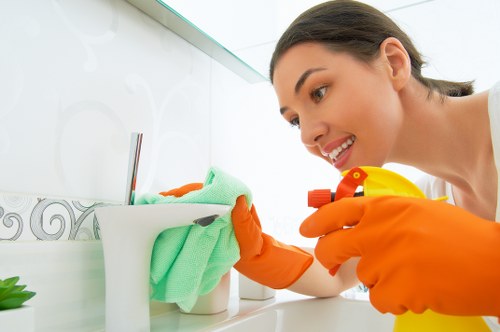
Every office has areas that need extra care. While open desks and hallways are often visible, other spaces can quickly become hygiene hotspots. Identifying these areas helps build a smarter cleaning routine and prevents overlooked buildup.
Restrooms are one of the most important areas in any workplace. They must be cleaned thoroughly and often, with attention to sinks, toilets, dispensers, mirrors, and floors. Break rooms also need regular sanitizing because employees prepare food there, store drinks, and gather during breaks.
Conference rooms, reception areas, and shared workstations are equally important. These are the spaces clients and employees notice most. Clean surfaces, dust-free furniture, and tidy floors contribute to a strong first impression and a more comfortable experience overall.
High-Touch Surfaces That Should Never Be Ignored
High-touch surfaces are among the most important targets in office cleaning services. They are handled repeatedly throughout the day and can quickly collect germs. Regular disinfecting helps keep the workplace healthier for everyone.
- Door handles and push plates
- Light switches and elevator buttons
- Shared keyboards, phones, and printers
- Handrails and cabinet pulls
- Kitchen counters and appliance handles
By focusing on these areas, office cleaning becomes more effective and more aligned with modern workplace hygiene expectations.
Benefits of Professional Office Cleaning Services
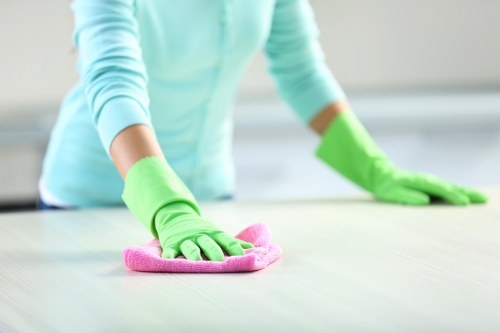
Many businesses choose professional office cleaning because it delivers consistent results without placing the burden on employees. Trained cleaners bring the right tools, products, and routines to handle office spaces efficiently. They know how to clean different materials, manage high-traffic areas, and maintain a reliable schedule.
Professional office cleaning can also be more cost-effective than relying on staff members to clean on their own. When employees are asked to handle cleaning tasks, productivity can suffer. It is usually more efficient to let workers focus on their primary responsibilities while specialists take care of maintenance.
Another major advantage is flexibility. Professional cleaners can work after hours, early in the morning, or on a schedule that avoids disrupting business operations. That means office cleaning can happen quietly in the background while the workplace continues to run smoothly.
What Businesses Gain from Hiring Cleaning Experts
A structured service can provide measurable benefits across many areas of the business.
- More consistent hygiene standards
- Reduced risk of illness-related disruptions
- Better preservation of carpets, furniture, and flooring
- Improved workplace appearance and morale
- Less pressure on internal staff
For many organizations, the long-term value of office cleaning far outweighs the short-term expense.
Why Expertise Matters
Not all cleaning is the same. Different surfaces require different products and methods. For example, natural stone, laminate, glass, and upholstery each need specific care. A skilled team understands these details and uses cleaning techniques that protect the office while still delivering excellent results.
How Office Cleaning Supports Health and Safety
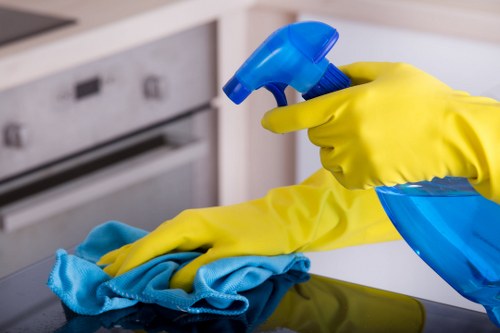
Health and safety are among the strongest reasons to prioritize office cleaning. In shared environments, germs can spread rapidly from one surface to another. Regular disinfection lowers that risk and helps create a safer place to work. This is especially important during cold and flu season, but it matters throughout the year.
Good office cleaning also helps reduce allergens such as dust, pollen, and mold spores. These particles can affect people with sensitivities and make the workspace uncomfortable. Clean ventilation areas, vacuumed carpets, and dust-free surfaces support better indoor air quality and a more pleasant atmosphere.
Safe cleaning practices matter too. Professional cleaning teams often use approved products, follow correct dilution ratios, and avoid cross-contamination by using color-coded cloths or separate tools for different areas. This careful approach protects both the office and the people inside it.
Preventive Cleaning and Risk Reduction
Office cleaning is not only about keeping things neat; it is also a preventive measure. Spills, stains, and buildup can lead to bigger problems if ignored. Slippery floors, overflowing bins, and dirty restrooms may even create safety hazards for staff and visitors.
- Regular cleaning reduces accident risks
- Disinfection lowers germ transfer on shared surfaces
- Dust removal supports better air quality
- Waste management helps prevent odor and pest issues
For businesses that want a dependable environment, office cleaning is a practical investment in everyday safety.
Choosing the Right Office Cleaning Schedule
Not every office needs the same cleaning schedule. A small administrative suite with limited foot traffic may require less frequent service than a busy sales office or medical-adjacent business. The right schedule should reflect the number of employees, visitors, and shared areas in the building.
It is often helpful to divide office cleaning into daily, weekly, and monthly tasks. Daily tasks handle the essentials, weekly tasks cover deeper maintenance, and monthly tasks address areas that do not need constant attention but still matter. This layered approach keeps standards high without unnecessary disruption.
When building a schedule, businesses should consider opening hours, seasonal changes, and special events. A conference-heavy week or a client presentation day may require additional attention. Flexible office cleaning plans can adapt to those changes easily.
Questions to Ask Before Setting a Schedule
- How many people use the office each day?
- Which areas receive the most traffic?
- Are there shared kitchens or restrooms?
- Does the office host clients or guests regularly?
- Are there flooring or surface materials that need special care?
Answering these questions makes it easier to design a cleaning plan that actually works. Office cleaning services should fit the office, not the other way around.
Deep Cleaning vs. Routine Maintenance
Routine cleaning maintains day-to-day order, while deep cleaning tackles buildup in places that are easy to miss. Deep cleaning may include carpet extraction, upholstery cleaning, detailed dusting, and sanitizing behind furniture or under equipment. Both are important, and together they create a healthier environment.
Scheduling Tip
Book deep cleaning periodically instead of waiting until the office looks visibly dirty. Preventive care is usually simpler, more effective, and more affordable than waiting for problems to grow.
Eco-Friendly Office Cleaning Practices
Sustainability has become an important part of modern workplace management, and office cleaning is no exception. Many businesses now look for environmentally responsible cleaning methods that reduce chemical exposure and waste. Green cleaning products, microfiber cloths, and efficient water use can all support a more sustainable workplace.
Eco-friendly office cleaning can be especially appealing for businesses that want to align their operations with broader environmental values. These practices may also improve indoor air quality by reducing harsh chemical residue and strong odors. In offices where people spend many hours each day, that can make a real difference.
Responsible cleaning does not mean sacrificing quality. In fact, well-chosen sustainable products can clean effectively while supporting employee comfort and long-term environmental goals. Businesses that invest in greener office cleaning options often find they improve both image and function.
Simple Green Cleaning Habits
- Use low-toxicity or biodegradable products where appropriate
- Reduce disposable materials when reusable options exist
- Choose equipment that supports energy efficiency
- Recycle waste where possible
- Train staff and cleaners on proper product use
These habits can be built into any office cleaning routine without making the process complicated.
How to Improve Office Cleaning Results Over Time
Even a good cleaning plan can benefit from regular review. Offices change, teams grow, and usage patterns shift. A cleaning routine that worked well last year may need adjustments now. Reviewing the process helps keep standards aligned with the real needs of the space.
Business owners and office managers can improve results by collecting observations from employees, identifying recurring problem areas, and looking for patterns. For example, if the kitchen is always messy by midweek, the schedule may need more frequent attention there. If meeting rooms lose their polish quickly, more detailed upkeep may be required.
Communication matters too. Clear expectations help everyone understand what falls under cleaning responsibility and what should be handled by professionals. This creates a smoother workflow and a better overall outcome for the office.
Ways to Keep Standards High
- Review the cleaning checklist regularly
- Track high-traffic areas and problem spots
- Update the schedule when office use changes
- Use quality supplies and equipment
- Work with a reliable cleaning provider
Small improvements in office cleaning can produce noticeable benefits over time.
Common Mistakes Businesses Make with Office Cleaning
One of the most common mistakes is focusing only on visible cleanliness. A space may look tidy at first glance while still harboring dust, germs, and buildup in corners or shared areas. This creates a false sense of cleanliness and can lead to problems later.
Another mistake is using a one-size-fits-all approach. Offices differ in size, layout, traffic level, and function. A strategy that works for a small studio may not be enough for a multi-floor corporate office. Effective office cleaning should always match the space itself.
Businesses also sometimes wait too long between deep cleans or fail to pay attention to restrooms, kitchens, and touchpoints. These oversights can affect both hygiene and image. Preventing that requires consistency and a realistic schedule.
What to Avoid
- Skipping high-touch areas
- Using the wrong product on delicate surfaces
- Delaying deep cleaning for too long
- Leaving waste management until the end of the day only
- Ignoring seasonal changes in dust, dirt, and foot traffic
Avoiding these mistakes makes office cleaning more reliable and more effective overall.
Final Thoughts on Creating a Cleaner Workplace
Office cleaning is one of the simplest ways to improve a workplace, yet it has lasting effects on health, productivity, and professional image. A well-maintained office tells employees and visitors that the business values quality, comfort, and efficiency. It also helps create a space where people can focus and work without unnecessary distractions.
Whether you need routine upkeep, targeted disinfecting, or a full cleaning plan for a growing workspace, investing in office cleaning is a smart decision. The right approach can reduce stress, support safety, and keep your business looking its best every day.
If your office could benefit from a more consistent and effective cleaning routine, now is the time to act. Contact us today to explore options that fit your workplace needs, or book your service now to keep your office clean, organized, and ready for business.