Oven Cleaning in Your Home: A Practical, Safe, and Effective Approach
Keeping your kitchen fresh starts with one important task: oven cleaning. A clean oven does more than improve the look of your kitchen. It helps food cook more evenly, reduces smoke and odors, and can even extend the life of the appliance. Whether you use your oven every day or only for weekend meals, regular oven cleaning makes a noticeable difference in performance and hygiene.
Many people delay oven cleaning because it seems messy, time-consuming, or difficult. The truth is that with the right method, the job becomes far more manageable. You do not need harsh routines or complicated steps to get good results. In fact, a steady approach to oven cleaning can save time, reduce effort, and prevent heavy build-up from forming in the first place.
This article explores practical oven cleaning methods, the best tools and products to use, safety tips, common mistakes to avoid, and smart maintenance habits that keep your oven in better condition for longer. If you want a cleaner kitchen and a better cooking experience, regular oven cleaning is one of the most valuable habits you can develop.
Why Oven Cleaning Matters for Every Kitchen
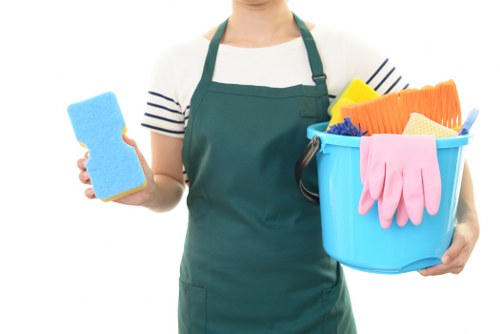
Oven cleaning is often treated as a low-priority chore, but it has a bigger impact than many homeowners realize. Grease, spills, crumbs, and burnt-on residue can build up over time and affect nearly every aspect of cooking. A dirty oven can create smoke, unpleasant smells, and uneven heat distribution, which may lead to poorly cooked meals.
Another reason oven cleaning matters is hygiene. Food residue left inside the appliance may attract pests or create a breeding ground for bacteria. Even if the oven looks only slightly dirty, hidden grime around the door seal, racks, and fan areas can reduce cleanliness in your kitchen. Regular oven cleaning supports a healthier home environment.
There is also a practical benefit: a well-maintained oven often uses energy more efficiently. When grime and grease coat the interior, your appliance may need to work harder to reach and maintain heat. That can increase cooking times and may raise utility costs over time. In other words, oven cleaning is not just about appearance; it is also about performance and savings.
Signs Your Oven Needs Cleaning

Not sure when to start oven cleaning? Several signs can tell you it is time. The most obvious is visible grease or baked-on food inside the cavity. But some clues are less obvious, such as smoke coming from the oven when you cook, a lingering burnt smell, or dark spots on the glass door.
You may also notice that food takes longer to bake evenly or that one side browns more quickly than the other. While this can sometimes be related to temperature settings or rack placement, heavy residue inside the oven is often part of the problem. Regular oven cleaning helps avoid these issues before they affect meals.
If you see drips on the oven floor, crumbs near the heating elements, or sticky buildup around knobs and handles, the appliance is overdue for attention. The earlier you deal with these signs, the easier the cleaning job usually becomes. Letting residue harden makes oven cleaning more time-intensive later on.
Tools and Supplies That Make Oven Cleaning Easier
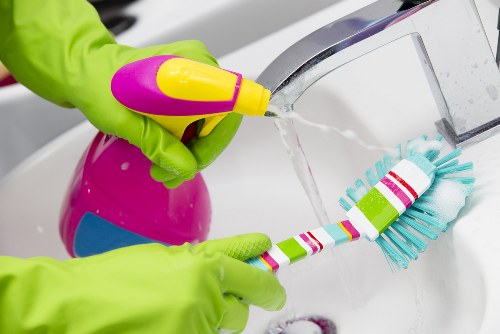
Before starting oven cleaning, gather the right supplies so the job runs smoothly. Basic tools can make a big difference in how effectively you remove grease and grime. You do not need a huge collection of products; a few reliable items are often enough.
Useful oven cleaning supplies include:
- Microfiber cloths or soft cleaning rags
- Non-scratch sponges
- Rubber gloves
- A plastic or silicone scraper
- Baking soda
- White vinegar
- Warm water
- Dish soap
- A spray bottle
- A small bowl for mixing cleaning paste
For tougher jobs, you may choose a commercial oven cleaner designed for heavy residue. If you do, always read the label carefully and follow all safety instructions. Some products are powerful but should only be used in well-ventilated areas. A careful approach to oven cleaning helps protect both the appliance and the person doing the work.
Preparing Your Oven Before Cleaning
Good preparation makes oven cleaning much easier. Start by turning the oven off and making sure it is completely cool. Safety should always come first. Remove any racks, trays, thermometers, pizza stones, or loose accessories before you begin. Taking everything out gives you clear access to the interior and helps you clean more thoroughly.
Next, brush out loose crumbs and debris. A dry cloth or handheld vacuum can help remove particles from the bottom and corners. This step prevents you from spreading debris around while scrubbing. It also allows your oven cleaning products to work directly on the sticky residue instead of loose dirt.
It is a good idea to place old towels or newspaper around the oven floor, especially if you expect drips or debris to fall out while cleaning the door and racks. When everything is prepared properly, the task becomes quicker, cleaner, and less stressful.
Natural Oven Cleaning Methods
Many homeowners prefer natural oven cleaning methods because they are simple, affordable, and less harsh than strong chemical products. One of the most popular options uses baking soda and vinegar. This combination works well for breaking down grease and softening baked-on residue without strong fumes.
To use this method, mix baking soda with a small amount of water until it forms a spreadable paste. Apply it to the interior surfaces of the oven, avoiding heating elements and fans if your model makes them easy to expose. Let the paste sit for several hours or overnight. Then wipe it away with a damp cloth. A light spray of vinegar can help remove any remaining residue and leave the surface cleaner.
Another natural option for oven cleaning is warm water and dish soap. This is especially useful for lightly soiled ovens or for cleaning racks after soaking. While natural methods may take longer than chemical cleaners, they are often effective when used consistently. They are also a good choice for routine maintenance between deeper cleans.
How to Clean Oven Racks Properly
Oven racks often collect grease, spills, and carbonized food, so they deserve separate attention. Remove them from the oven and soak them in a bathtub, sink, or large container filled with warm water and dish soap. If the grime is heavy, you can add baking soda to the soak for extra cleaning power.
After soaking, use a non-scratch sponge or cloth to scrub away the loosened residue. Avoid abrasive pads that might damage the finish. For stubborn spots, a plastic scraper can help without scratching the metal. Once the racks are clean, rinse and dry them completely before placing them back into the oven.
Proper rack care is a key part of oven cleaning. Clean racks not only look better, but they also prevent grime from transferring onto cookware. When the racks are maintained regularly, future cleaning takes much less effort.
Step-by-Step Oven Cleaning Process
A structured method makes oven cleaning less overwhelming. Whether you are using a natural paste or a store-bought product, the basic process is similar. The goal is to loosen grime, remove residue, and restore a clean cooking surface without damaging the appliance.
- Turn the oven off and let it cool completely.
- Remove racks, trays, and loose accessories.
- Brush out crumbs and wipe away loose debris.
- Apply your chosen oven cleaning product or paste.
- Allow enough dwell time for the product to soften buildup.
- Wipe the interior using a damp cloth or sponge.
- Use a scraper gently for stubborn spots if needed.
- Clean the door glass, edges, and exterior controls.
- Rinse and dry all surfaces before reassembling.
This process can be adapted to suit your oven type and the level of dirt. The more regularly you perform oven cleaning, the less effort each session requires. Consistency is often better than waiting until the oven is heavily soiled.
If you are cleaning a self-cleaning oven, check the manufacturer’s instructions before applying any products. These appliances may have special coatings or settings that require a different method. Always tailor oven cleaning to the model you own.
How to Clean the Oven Door and Glass
The oven door is one of the most visible areas, and a dirty glass panel can make the whole appliance look neglected. Burnt residue and grease often build up on the inside of the door where splatter from baking and roasting lands. Fortunately, oven cleaning for the door is usually straightforward.
Use a soft cloth with warm water and dish soap or a baking soda paste on stubborn spots. Apply the cleaner carefully and let it sit for a short time before wiping. For the glass, use gentle circular motions rather than heavy scrubbing. This helps lift residue without scratching the surface.
Do not forget the edges and the handle. These areas collect fingerprints and grease from repeated use. A clean oven door makes the entire kitchen appear fresher, and it is often the first thing people notice. For a polished result, include the door in every oven cleaning session.
Dealing With Stubborn Burnt-On Grease
Every now and then, oven cleaning involves more than a simple wipe-down. Burnt-on grease can harden into thick patches that take patience to remove. In these cases, avoid using sharp metal tools, which can damage the oven’s coating. Instead, soften the residue first.
Applying a paste and letting it sit longer often improves the result. Some people cover the paste with a damp cloth to keep it from drying out too quickly. After enough time has passed, use a plastic scraper and repeat as needed. It may take several passes, but careful oven cleaning is safer and more effective than aggressive scraping.
If a spot still does not budge, consider using a specialized oven cleaner. Read the directions carefully and ensure proper ventilation. A little patience goes a long way, especially when dealing with severe buildup.
How Often Should You Clean Your Oven?
The ideal oven cleaning schedule depends on how often you cook. For a busy household, light cleaning every week or two can keep residue under control. A deeper clean may be needed every one to three months. If you cook greasy foods frequently, you may need to clean more often.
Regular maintenance is easier than waiting for heavy grime to build up. Wiping spills while the oven is still slightly warm but not hot can reduce the need for major cleaning later. This habit keeps the appliance in better condition and makes each oven cleaning session much faster.
A simple routine can include checking for spills after roasting, wiping the door glass, and removing crumbs from the bottom. Consistent care improves performance and makes the oven more pleasant to use. In many homes, the difference between an easy job and a difficult one comes down to how regularly oven cleaning is performed.
Common Mistakes to Avoid During Oven Cleaning
Even a routine task can go wrong if you are not careful. One common mistake is cleaning the oven while it is still hot. This can be unsafe and may cause cleaning products to evaporate too quickly. Another mistake is using harsh abrasive pads that scratch the interior surfaces.
People also sometimes apply too much cleaner and assume that more product will produce better results. In reality, a measured amount used properly is usually more effective. Overusing chemicals may also leave residue that needs extra rinsing. Good oven cleaning is about technique, not just strength.
Other mistakes include forgetting to remove racks, ignoring the door seal, and not rinsing surfaces thoroughly after cleaning. All of these can affect the final result. A careful, step-by-step approach keeps the oven cleaner and helps avoid damage.
Safety Tips for Better Oven Cleaning
Safety matters every time you clean an appliance. Always make sure the oven is off, cool, and unplugged if applicable. Ventilate the area well, especially if using commercial cleaning products. Opening windows or turning on the kitchen fan can help reduce fumes.
Wear gloves to protect your skin from grease, hot residue, or cleaning solutions. Avoid mixing products unless the label clearly says it is safe to do so. Some combinations can create harmful reactions. If you are using a commercial cleaner, keep it away from children, pets, and food preparation areas. Safe oven cleaning should never put your household at risk.
It is also wise to test any cleaner on a small hidden area first if you are unsure how your oven’s finish will react. This is especially important for specialty surfaces, enamel interiors, or older appliances. A cautious approach protects both the user and the equipment.
Benefits of Professional Oven Cleaning
While many people can manage oven cleaning on their own, professional services can be worth considering for heavy buildup or hard-to-reach areas. A trained cleaner may have specialized tools and products that remove grease more efficiently. This can be especially helpful if your oven has not been cleaned in a long time.
Professional oven cleaning can also save time and reduce physical effort. Some ovens have fans, heating elements, or detailed components that make deep cleaning more complicated. In these cases, expert help can deliver a more thorough result with less hassle. For homeowners who value convenience, professional oven cleaning can be a smart choice.
Even if you choose professional service occasionally, home maintenance still matters. Basic cleaning between visits can keep the oven in better shape and make the next professional session easier. The best results usually come from a combination of routine care and occasional deep attention.
Maintenance Habits That Keep Your Oven Cleaner for Longer
Good habits can significantly reduce the need for heavy oven cleaning. Use baking trays or lined dishes to catch drips when roasting or baking foods that tend to bubble over. Place a sheet or tray under casseroles or pies if spillovers are likely.
After each use, check for spills and wipe them away once the oven has cooled slightly. A small amount of regular care can prevent the stubborn buildup that makes cleaning difficult later. Keep the oven interior dry and avoid leaving food debris inside for long periods.
You can also make oven cleaning easier by cleaning the surrounding kitchen area regularly. Dust, crumbs, and grease in the kitchen can travel to the oven door and handle more easily than expected. A cleaner cooking space supports a cleaner appliance overall.
Simple Weekly Habits
- Wipe the oven door after cooking greasy meals
- Remove crumbs from the bottom once a week
- Inspect racks for buildup before it hardens
- Use covered dishes when possible
- Clean small spills before they become baked-on stains
Choosing the Right Oven Cleaning Method for Your Home
There is no single approach that works best for every kitchen. Some people prefer natural oven cleaning methods because they are affordable and gentle. Others choose commercial products because they want faster results on tough residue. The best method depends on your oven type, how dirty it is, and your comfort with cleaning products.
For light maintenance, baking soda and warm water may be all you need. For heavier buildup, a stronger cleaner or a longer soak may be more effective. The key is to match the method to the mess. When you select the right approach, oven cleaning becomes more efficient and less frustrating.
If you are unsure where to begin, start with a simple and safe method. You can always repeat the process or step up to a stronger option if necessary. Over time, you will learn what works best for your appliance and your schedule.
How Oven Cleaning Improves Cooking Results
Clean ovens tend to bake more evenly because heat can circulate without interference from thick grease layers or burnt residue. This can improve everything from cakes and cookies to roasted vegetables and casseroles. A cleaner oven also reduces the chance that old spills will smoke and affect flavor.
Many home cooks notice that after proper oven cleaning, recipes are more reliable. Browning improves, odors decrease, and the oven reaches desired temperatures more predictably. That consistency matters when cooking for family, guests, or special occasions. Better cooking results are one of the strongest reasons to keep up with oven cleaning.
In addition, a clean appliance feels more inviting to use. When the oven looks fresh and smells neutral, preparing meals becomes a more enjoyable experience. That small psychological boost can make a big difference in everyday kitchen routines.
Final Thoughts on Oven Cleaning
Oven cleaning does not have to be a dreaded chore. With the right products, a clear method, and regular upkeep, you can keep your appliance in excellent condition without spending hours scrubbing. The benefits extend far beyond appearance. A clean oven supports better cooking, safer food preparation, improved efficiency, and a fresher kitchen overall.
Whether you prefer natural cleaning methods or commercial solutions, the important thing is consistency. Small, regular efforts prevent heavy buildup and make each cleaning session easier than the last. By making oven cleaning part of your home care routine, you protect your appliance and create a better kitchen environment for everyone.
If your oven is overdue for attention, now is the perfect time to act. Start with a simple clean, build a maintenance habit, and enjoy the difference a properly cared-for appliance can make. Book your service now or contact us today if you want professional support for tougher cleaning needs.