Deep Cleaning in Homes and Workspaces: What It Means, Why It Matters, and How to Do It Right
What Deep Cleaning Really Means
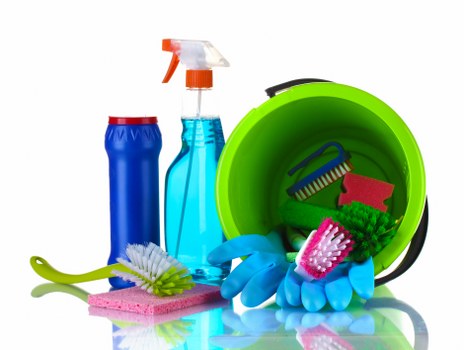
Deep cleaning is more than a quick tidy-up or a surface-level wipe-down. It is a detailed cleaning process designed to remove built-up dirt, hidden grime, dust, bacteria, and allergens from areas that are often missed during regular cleaning. While everyday cleaning keeps a space looking presentable, deep cleaning restores freshness, improves hygiene, and helps maintain a healthier indoor environment.
Many people search for deep cleaning when their home or office starts to feel stale, cluttered, or harder to manage. This is usually the point where routine sweeping, mopping, and dusting are no longer enough. Deep cleaning reaches into corners, behind appliances, under furniture, inside vents, and across other neglected spaces where buildup quietly accumulates over time.
For homeowners and business owners alike, deep cleaning services can make a visible difference in appearance and a meaningful difference in comfort. A space that has been properly deep cleaned often smells better, looks brighter, and feels more inviting. It can also reduce germs, dust mites, pet dander, and other irritants that affect air quality.
Why Deep Cleaning Is So Important
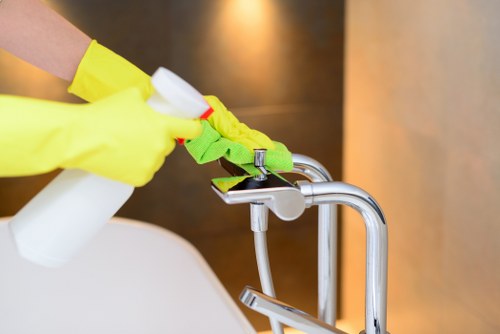
There are several reasons why deep cleaning should be part of any regular maintenance routine. First, it helps protect your health. Dust, mold spores, bacteria, and allergens can accumulate in areas that are easy to ignore. Over time, these contaminants may contribute to respiratory discomfort, allergies, and general irritation. A detailed cleaning approach helps reduce those risks.
Second, deep cleaning preserves the condition of your property. Built-up grime can wear down surfaces, stain grout, dull flooring, and damage fixtures. By removing contaminants before they become embedded, you extend the life of materials and reduce the need for costly repairs or replacements. In this way, cleaning is not just about appearance; it is also a form of maintenance.
Third, deep cleaning improves daily comfort and productivity. In a home, it creates a calmer and more pleasant environment for family members. In an office or commercial setting, it supports professionalism and helps employees and visitors feel more at ease. Clean surroundings are often associated with better focus, stronger morale, and a more positive overall impression.
Deep Cleaning vs Regular Cleaning
Understanding the Difference
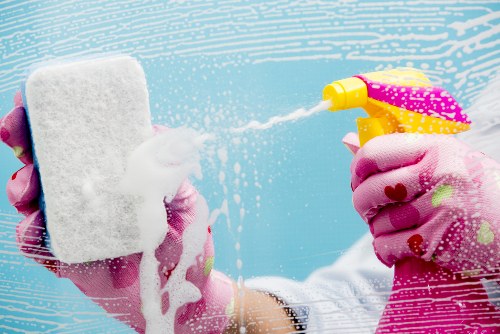
Regular cleaning focuses on routine upkeep. It includes tasks such as sweeping floors, wiping counters, vacuuming visible areas, and emptying trash bins. These actions are important because they keep a space orderly and reduce daily buildup. However, they usually do not reach hidden spots or tackle embedded dirt.
Deep cleaning, on the other hand, is more detailed and time-intensive. It involves moving items, scrubbing stubborn residue, sanitizing high-touch areas, and cleaning places that are often skipped during routine maintenance. Think of it as a reset for your environment. Rather than maintaining the surface, it addresses the layers underneath.
For example, regular cleaning may cover a kitchen countertop, but deep cleaning would include the backsplash, cabinet fronts, appliance exteriors and interiors, light switches, baseboards, and the space behind the stove. The same applies in bathrooms, bedrooms, living rooms, and office spaces. This is why deep cleaning services are often recommended seasonally or before special events.
Quick Comparison
- Regular cleaning: Fast, routine, visible maintenance
- Deep cleaning: Detailed, thorough, hidden-area cleaning
- Regular cleaning: Usually done weekly or daily
- Deep cleaning: Done monthly, seasonally, or as needed
- Regular cleaning: Maintains appearance
- Deep cleaning: Restores cleanliness and hygiene
Areas That Need the Most Attention During Deep Cleaning

One of the most important parts of deep cleaning is knowing where to focus your efforts. Hidden and high-traffic areas collect grime quickly, and many of them are overlooked during routine tasks. A truly effective deep cleaning plan should include a thoughtful checklist of zones that need extra care.
In kitchens, pay close attention to appliances, cabinet handles, sinks, faucets, grease-prone surfaces, and floor edges. Food particles and oil can accumulate in small gaps, making these spaces magnets for germs and odors. Deep cleaning also helps remove sticky residue that can attract insects and create sanitation issues.
Bathrooms require special attention because moisture encourages the growth of mold, mildew, and soap scum. Showers, tubs, toilets, grout lines, tile surfaces, and ventilation areas should be thoroughly cleaned and disinfected. Bedrooms and living rooms may seem cleaner by comparison, but they also need dusting behind furniture, vacuuming upholstery, and cleaning light fixtures, ceiling fans, and baseboards.
Common Deep Cleaning Targets
- Behind and under furniture
- Inside and around appliances
- Baseboards, crown molding, and trim
- Door handles, switches, and remote controls
- Vent covers, filters, and ceiling fans
- Grout, tile, and bathroom fixtures
- Window sills, tracks, and blinds
Benefits of Professional Deep Cleaning Services

While many people attempt deep cleaning on their own, professional deep cleaning services offer significant advantages. Professionals bring experience, efficiency, and specialized equipment that can produce a more complete result in less time. They know how to clean safely and effectively without damaging delicate surfaces or missing key problem areas.
One major advantage is access to stronger cleaning methods and products. Professional teams often use steam cleaning, extraction tools, disinfectants, degreasers, and microfiber systems that are more effective than basic household supplies. This is especially useful for stubborn stains, heavy buildup, and high-use areas that need more than a simple wipe-down.
Another benefit is consistency. A professional team follows a structured process, ensuring every part of the space receives attention. This consistency is especially valuable for large homes, rental properties, offices, and commercial environments where standards must remain high. If you want reliable results, deep cleaning performed by trained specialists can save time and reduce stress.
When You Should Schedule Deep Cleaning
There are several situations when deep cleaning becomes especially worthwhile. A seasonal reset is one of the most common reasons. Many people schedule deep cleaning in spring or fall to refresh the home after months of use, changing weather, and increased indoor activity. Seasonal deep cleaning is ideal for tackling dust, pollen, and accumulated clutter.
Another good time is before or after events. If you are hosting a gathering, moving into a new home, moving out of a property, or welcoming guests, a deep clean can create a better experience. It helps your space look and feel polished. Similarly, after renovations or repairs, deep cleaning removes construction dust and residue that often settle on every surface.
There are also practical signs that your property needs more than routine maintenance. Lingering odors, visible grime, streaked surfaces, dusty vents, and dull floors can all signal that it is time for a deeper approach. If you notice that routine cleaning no longer keeps up with buildup, a professional deep cleaning service may be the best solution.
How to Prepare for a Deep Cleaning Session
Preparation can make deep cleaning more efficient and effective. Before the process begins, it helps to declutter surfaces, pick up loose items, and create clear access to areas that need attention. The less time spent moving objects around, the more time can be dedicated to actual cleaning.
It is also helpful to identify priority areas. Some spaces may need extra focus, such as kitchens with grease buildup, bathrooms with hard water stains, or office spaces with heavy foot traffic. Communicating these needs ahead of time helps ensure the final result meets expectations. A strong deep cleaning plan is always more successful when the most problematic areas are clearly identified.
If you are doing the work yourself, gather supplies in advance. Common items include microfiber cloths, scrub brushes, all-purpose cleaner, disinfectant, a vacuum with attachments, mop heads, gloves, and targeted products for glass, tile, or stainless steel. Having everything ready reduces interruptions and makes the job feel more manageable.
Helpful Preparation Steps
- Declutter surfaces and floors
- Move lightweight furniture if needed
- Identify stains, buildup, or damage
- Gather cleaning supplies before starting
- Open windows for ventilation when appropriate
Deep Cleaning Techniques That Make a Difference
Deep cleaning works best when it is systematic. Rather than cleaning randomly, it is more efficient to work from top to bottom and from one room to the next. This prevents dust and debris from falling onto already cleaned surfaces. It also helps create a clear workflow that saves time and energy.
In kitchens, start with upper surfaces such as shelves, cabinet tops, and vents before moving downward to counters, appliances, and floors. In bathrooms, begin with mirrors and light fixtures, then move to sinks, toilets, showers, and floors. In living spaces and bedrooms, dust high surfaces first, followed by furniture, upholstery, and flooring. This order helps maintain a cleaner result.
Another effective method is using the right cleaner for each material. For example, glass requires streak-free solutions, stone needs pH-safe products, and wood surfaces benefit from gentle cleaners that protect the finish. Deep cleaning is not about using more product; it is about using the right product and technique in the right place.
Technique Tips
- Let cleaners sit briefly to break down buildup
- Use detail brushes for corners and grout lines
- Work in sections to stay organized
- Replace dirty cloths and mop heads often
- Finish with disinfecting high-touch areas
Deep Cleaning in Homes
Homeowners often notice the biggest improvement after a thorough deep cleaning session. Houses naturally collect dust, pet hair, fingerprints, food residue, and everyday clutter. Over time, even a well-maintained home can begin to feel less fresh. That is where deep cleaning becomes especially valuable.
In family homes, certain areas tend to need more frequent attention. Kitchens and bathrooms are obvious priorities, but laundry rooms, entryways, playrooms, and shared living areas also gather buildup quickly. Homes with pets may need extra care for upholstery, carpets, vents, and corners where hair and dander settle. Homes with children may require a stronger focus on sanitizing frequently touched surfaces.
Deep cleaning in homes also supports a healthier atmosphere for sleeping, relaxing, and spending time together. A cleaner environment can reduce allergens and make rooms feel more open and comfortable. For many families, deep cleaning is not just about looks; it is about creating a better quality of life.
Deep Cleaning in Offices and Commercial Spaces
Commercial environments benefit greatly from deep cleaning because they often experience heavy daily traffic. Offices, waiting rooms, retail spaces, and shared workspaces can accumulate dust and bacteria faster than smaller private areas. A detailed cleaning routine helps maintain a professional appearance and supports a healthier atmosphere for staff and visitors.
In offices, high-touch surfaces such as desks, keyboards, phones, handles, shared kitchen areas, and conference tables need regular sanitizing. Carpets, windows, restrooms, and break areas should also be part of the deep cleaning schedule. Even if a space looks tidy at a glance, hidden buildup can affect freshness and hygiene.
For businesses, deep cleaning can contribute to better morale and stronger first impressions. A polished environment suggests attention to detail and care for the people who use the space. Whether it is a small office or a larger facility, a consistent deep cleaning approach helps create a safer and more appealing workplace.
Commercial Deep Cleaning Priorities
- Workstations and shared desks
- Restrooms and break rooms
- Reception and waiting areas
- Floors, rugs, and carpets
- Glass doors, windows, and displays
How Often Should Deep Cleaning Be Done?
The right schedule for deep cleaning depends on how the space is used, how many people occupy it, and whether pets, children, or heavy traffic are involved. In general, many homes benefit from deep cleaning every few months, while commercial spaces may need it more often depending on foot traffic and industry standards.
Seasonal deep cleaning is a popular approach because it creates four opportunities each year to reset the space. However, some properties may need monthly attention in certain areas, especially kitchens, bathrooms, and high-use common areas. If you have allergy concerns, a detailed cleaning routine may be helpful more frequently to control dust and allergens.
It is often best to build deep cleaning into your overall maintenance plan rather than treating it as a one-time project. Regular upkeep between sessions makes each deep clean easier and more effective. That balance keeps the property looking better for longer and reduces the chance of overwhelming buildup.
Practical Tips to Maintain Results After Deep Cleaning
Once a space has been thoroughly cleaned, the goal is to keep it that way for as long as possible. That means combining everyday habits with scheduled upkeep. Simple actions such as wiping spills immediately, dusting regularly, and staying on top of clutter can preserve the results of a deep cleaning session.
It also helps to break tasks into manageable routines. For example, you can wipe down bathroom fixtures midweek, vacuum high-traffic areas every few days, and clean kitchen surfaces after meals. These habits reduce buildup and make future deep cleaning much easier. A little consistency goes a long way.
Another smart tip is to use entryway mats, air filters, and storage systems to reduce dirt from entering and spreading through the space. These small adjustments can extend the life of the clean environment and support better indoor hygiene. Deep cleaning works best when it is supported by ongoing maintenance.
Maintenance Checklist
- Dust and vacuum weekly
- Sanitize high-touch areas often
- Control clutter before it spreads
- Clean spills as soon as they happen
- Refresh bathrooms and kitchens regularly
Choosing the Right Deep Cleaning Service
If you decide to hire professionals, it is important to choose a service that understands your space and your expectations. The best deep cleaning services offer clear processes, careful attention to detail, and flexibility based on room size, surface type, and specific needs. They should be able to explain what is included and how the job will be completed.
Look for a team that uses appropriate tools, safe products, and efficient methods. Experience matters because deep cleaning often involves more than just visible dirt. It requires the ability to identify buildup, treat surfaces properly, and work methodically. A reliable service should also be able to clean without creating damage or unnecessary disruption.
Before booking, consider the areas you want prioritized and the results you expect. Do you need kitchen degreasing, bathroom sanitation, carpet refreshment, or full-property detailing? When your needs are clear, it becomes easier to choose a service that is aligned with your goals. Book your service now if you are ready to restore freshness and order to your space.
Why Deep Cleaning Supports Long-Term Value
There is a long-term financial advantage to consistent deep cleaning. Well-maintained surfaces last longer, fixtures stay in better condition, and expensive replacement costs can often be delayed. Dirt, residue, and moisture may seem minor at first, but over time they can contribute to wear that becomes costly to repair.
In rental properties and commercial spaces, deep cleaning also helps preserve value and supports smoother transitions between occupants or tenants. A spotless environment tends to be easier to present, easier to maintain, and easier to manage. Whether you own the property or simply care for it, investing in deep cleaning is a practical decision.
It also strengthens overall peace of mind. Knowing that your home or office has been thoroughly cleaned creates confidence and reduces the mental clutter that comes with mess and disorganization. If your space needs a reset, contact us today and take the next step toward a fresher, healthier environment.
Final Thoughts
Deep cleaning is one of the most effective ways to restore freshness, improve hygiene, and protect the long-term condition of any space. It goes beyond routine upkeep by addressing hidden dirt, overlooked areas, and stubborn buildup that regular cleaning cannot fully remove. Whether in a home, office, or commercial setting, the benefits are both immediate and lasting.
From healthier indoor air to better appearance and improved comfort, the value of deep cleaning is easy to see. When performed regularly and correctly, it becomes an essential part of maintaining a space that feels clean, functional, and welcoming. If you want stronger results than surface cleaning can provide, deep cleaning services are an excellent investment in your property and your peace of mind.
Now is the perfect time to refresh your environment, protect your surfaces, and enjoy a cleaner space from top to bottom. Contact us today to get started and book your service now.